
About Us
Tamu Dhee South Australia (TDSA) is a non-profit organisation and was established in 2017 in Adelaide, South Australia. The aim of TDSA is to preserve Gurung culture, customs, traditions, and pass on to the future Gurung generations in South Australia.
The ethnic group of Nepal, the Gurung (Tamu) people originate from the hilly and mountainous regions of central Nepal and are recognized as one of the 59 indigenous ethnic groups of the country. Renowned for their rich culture, integrity, courage, and resilience, the Gurung community has a long history of service in the British and Indian Gurkha regiments alongside other indigenous groups.
Traditionally, the Gurung people follows Buddhist and Bon practices, guided by priest practitioners such as Lama Guru, Ghyabri (Klehpri), Pachyu (Paju), and Bon Lama. Gurung culture is deeply rooted in the Tamu language, cultural songs and dances, traditional attire, and rituals associated with weddings, festivals, and funeral ceremonies (known as Pai or Arghun).
About Gurung (Tamu) Culture
The Tamu (Gurung) community is one of Nepal’s oldest and most respected indigenous groups. The term “Tamu” is what Gurungs call themselves in their own language. Historically, they are believed to have migrated from Tibet and settled in the mid-hill regions of Nepal, particularly in districts like Lamjung, Kaski, Gorkha, Manang, and Mustang. Their cultuThe Tamu (Gurung) community is one of Nepal’s oldest and most respected indigenous groups. The term “Tamu” is what Gurungs call themselves in their own language. Historically, they are believed to have migrated from Tibet and settled in the mid-hill regions of Nepal, particularly in districts like Lamjung, Kaski, Gorkha, Manang, and Mustang. Their culture, language, and traditions are deeply rooted in their ancestral heritage and continue to be an important part of Nepal’s ethnic and cultural diversity.re, language, and traditions are deeply rooted in their ancestral heritage and continue to be an important part of Nepal’s ethnic and cultural diversity.
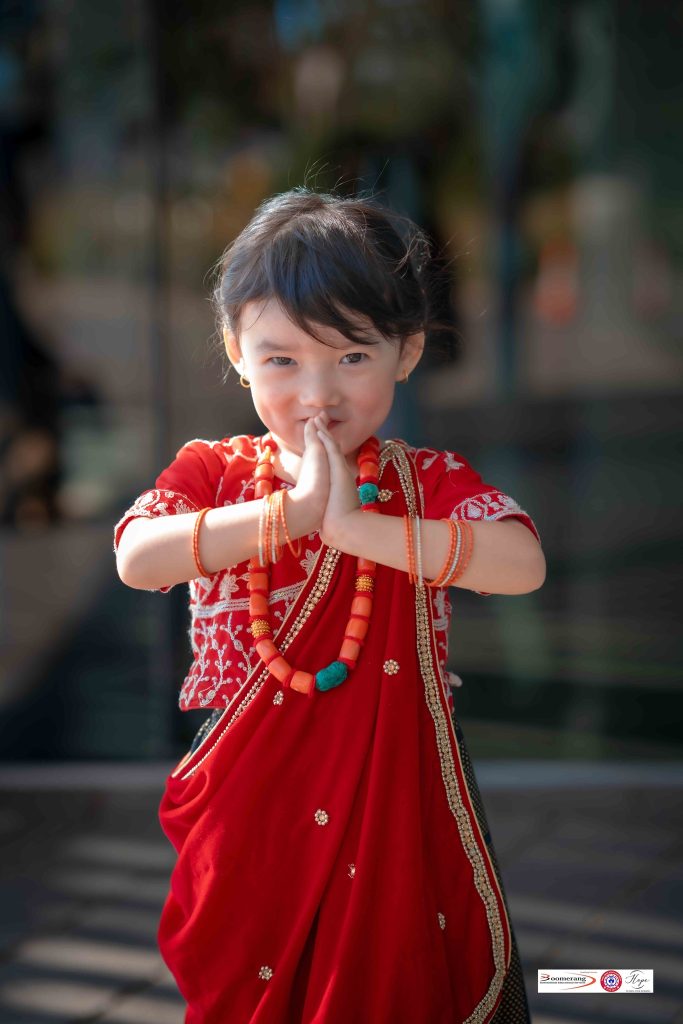
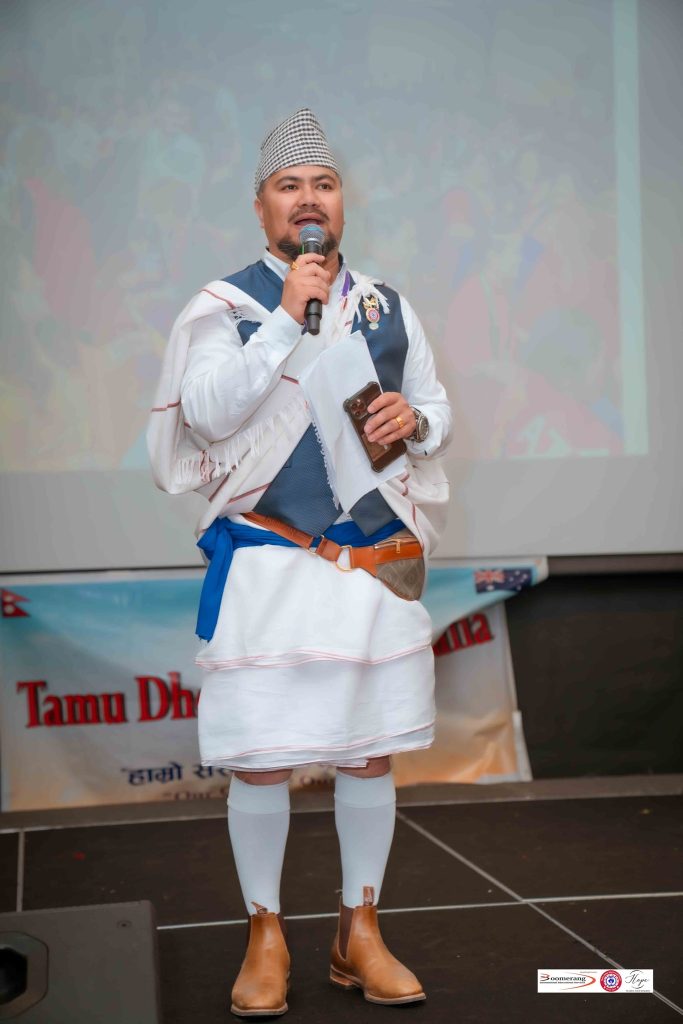
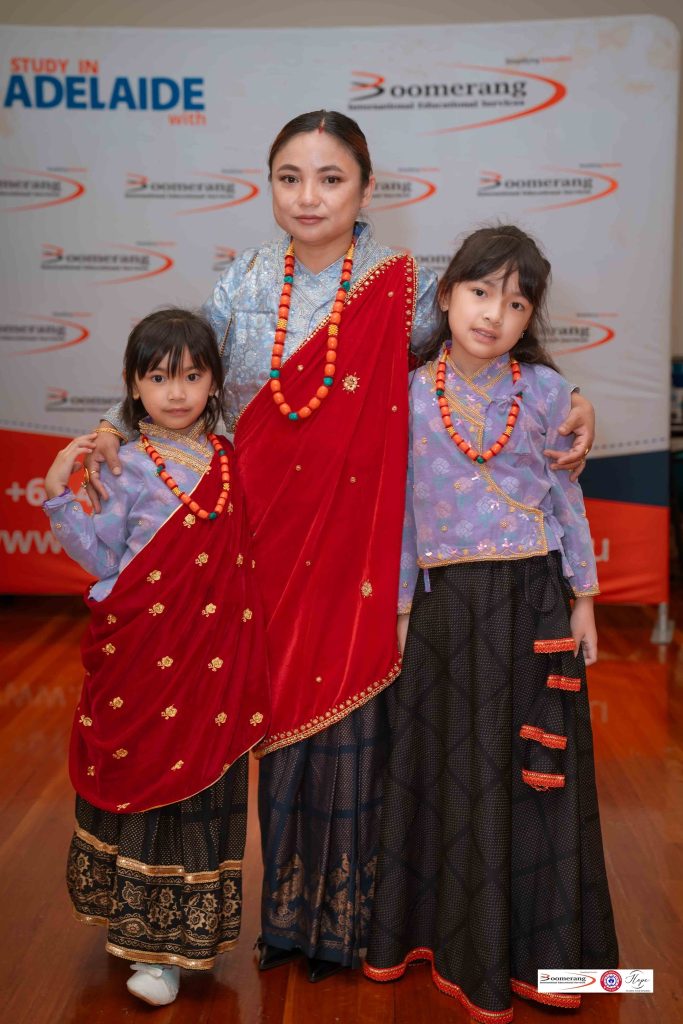
One of the most significant festivals in the Gurung community is Tamu Lhosar, celebrated as their New Year based on the lunar calendar. It marks the change of the zodiac year and is observed with joy, wearing traditional clothes, singing and dancing, and hosting community feasts. Apart from Lhosar, some Gurungs also observe Buddha Jayanti, Maghe Sankranti, and in some areas, Dashain and Tihar, blending Hindu and Buddhist cultural practices. The religious beliefs of the Gurungs are mainly based on Bon (an ancient spiritual practice) and Tibetan Buddhism. Rituals are usually conducted by Lamas or Bonpo priests who perform ceremonies for births, weddings, and funerals. While the majority follow Buddhist traditions, some Gurungs also practice Hinduism today, showing the diversity and adaptability of the community over time.
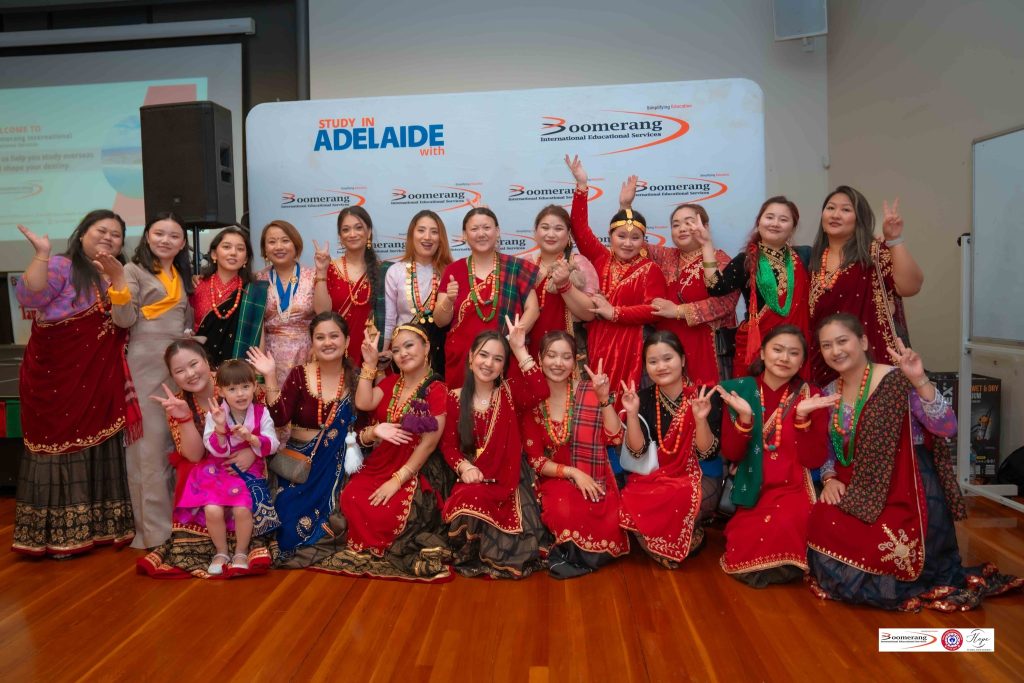
Gurung cultural performances are vibrant and deeply symbolic. The Ghantu dance is a traditional dance performed by young girls, telling mythological and historical stories through music and movement. Sorathi dance is another popular form, usually performed in groups, featuring storytelling through songs. The Rodhi songs and dances are especially famous, where young people meet in Rodhi Ghars to sing, dance, and socialize — a unique tradition that promotes bonding and cultural expression. Today, Gurungs have made significant contributions both within Nepal and abroad. Many serve proudly in the British Gurkha, Indian, and Nepali armies, known for their bravery and discipline. Large numbers of Gurungs have migrated to countries like the UK, Hong Kong, Singapore, and the Middle East, where they continue to support their communities back home while adapting to new cultures and environments. In terms of clothing, the traditional attire of Gurungs is both practical and beautiful. Men wear a short white cloth called Kachhad, paired with a woolen wrap known as Bhangra and a traditional Nepali cap. Women wear colorful blouses known as Cholo, long skirts, and distinctive jewelry such as Pote necklaces, golden ear ornaments, and Sirbandi (forehead ornament). These clothes are often worn during festivals, marriages, and cultural programs, showcasing the community’s pride in their heritage.
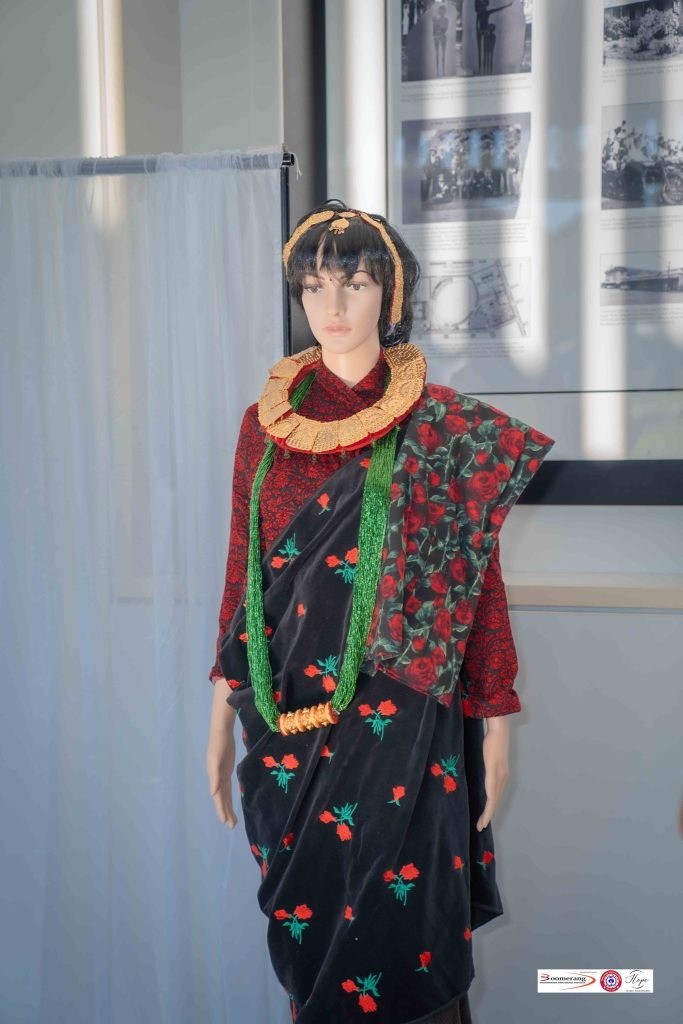
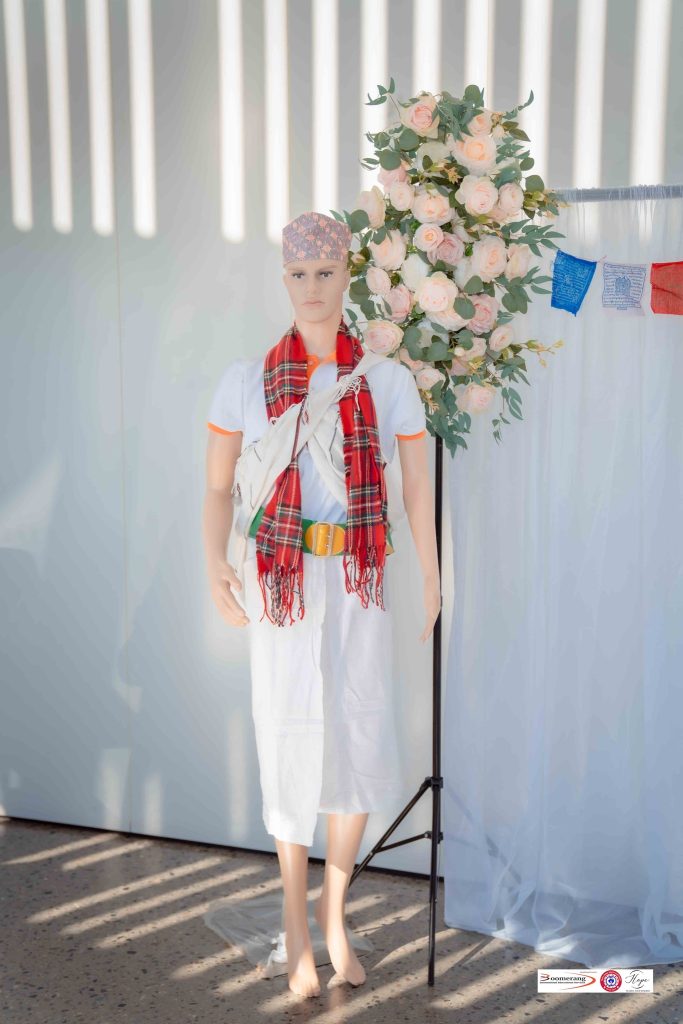
The Tamu (Gurung) community is a living example of a rich cultural heritage that has gracefully evolved with time. Their history, values, customs, and social unity make them a respected group in Nepali society. Preserving and promoting their identity in the digital age is essential — and creating this website is a powerful step toward honoring their legacy and sharing their story with the world.